



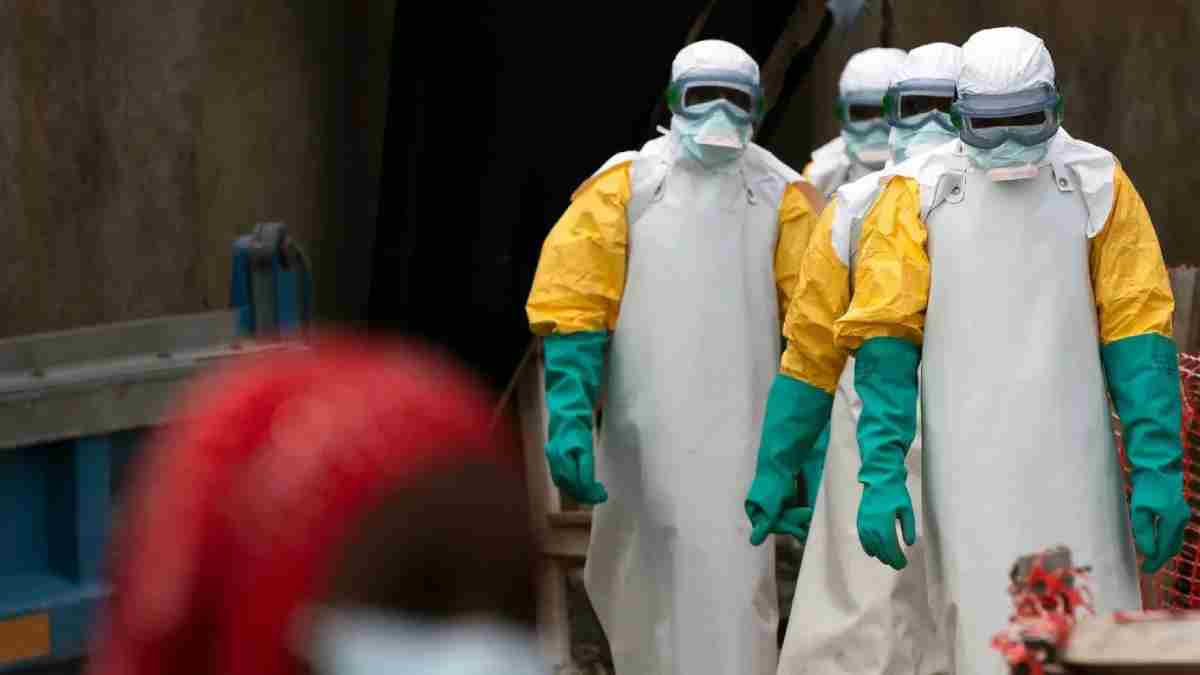
The World Health Organization (WHO) has declared the Ebola outbreak in the Democratic Republic of Congo a public health emergency of international importance. The outbreak in Ituri province in eastern DRC, where some 246 suspected cases and 80 deaths have been reported, does not meet the criteria for a pandemic emergency, the agency said.
However, he warned that this could be a “much larger outbreak” than those currently detected and reported, and that the risk of local and regional spread is significant.
This announcement has raised concerns about a new pandemic in Turkey and the world!
What is Ebola and how is it spread?
* What is causing this outbreak? Ebola is a disease caused by a virus; it is rare, but severe and often fatal. There are three strains of Ebola virus that cause outbreaks and this strain is known as Bundibugyo.
* How is Ebola transmitted? It spreads between people through infected body fluids such as blood and vomit.
* How deadly is it? In previous outbreaks of the Bundibugyo Ebola virus, about of people have died.
* What is the incubation period? Symptoms appear between two and 21 days after infection.
* What are the symptoms? The first symptoms appear suddenly and are flu-like symptoms such as fever, headache and fatigue. As the disease progresses, vomiting and diarrhea develop and body organs do not work as well as before. Some patients may experience internal and external bleeding.
* Where does Ebola come from? Outbreaks start when someone gets the Ebola virus from infected animals, such as fruit bats.
* Is there a vaccine? There are vaccines for Zaire-type Ebola, but not for Bundibugyo.
According to the health agency, the current strain of Ebola is caused by the Bundibugyo virus and there are no approved drugs or vaccines against it.
WHO reported eight laboratory-confirmed cases of the virus, as well as suspected cases and deaths in three health districts, including Bunia, the capital of Ituri province, and the gold mining towns of Mongwalu and Rwampara.
The WHO said the ongoing security situation and humanitarian crisis in the Democratic Republic of Congo, high population mobility, the urban location of the outbreak hotspot and the large number of unregistered health facilities in the region increased the risk of spread.
Countries neighboring the Democratic Republic of Congo are considered high-risk countries for trade and travel.
Rwanda has announced that it will tighten security checks on its border with the Democratic Republic of Congo “as a precautionary measure”.
The Ministry of Health said surveillance systems have been strengthened and medical teams are on alert to “provide early detection and rapid intervention where necessary”.
In our country, the risk of epidemic in the community is influenza, COVID, etc. diseases transmitted from person to person through respiratory tract.
Although there is no Ebola case or epidemic risk for our country because it spreads between people through infected body fluids such as blood and vomit, we should not forget that viruses and epidemics are now in our lives. Just like the risk of earthquakes, we should not forget to live with such epidemics and personal hygiene, just as we have learned to live with earthquakes.
Prof. Dr. Şevket Özkaya