
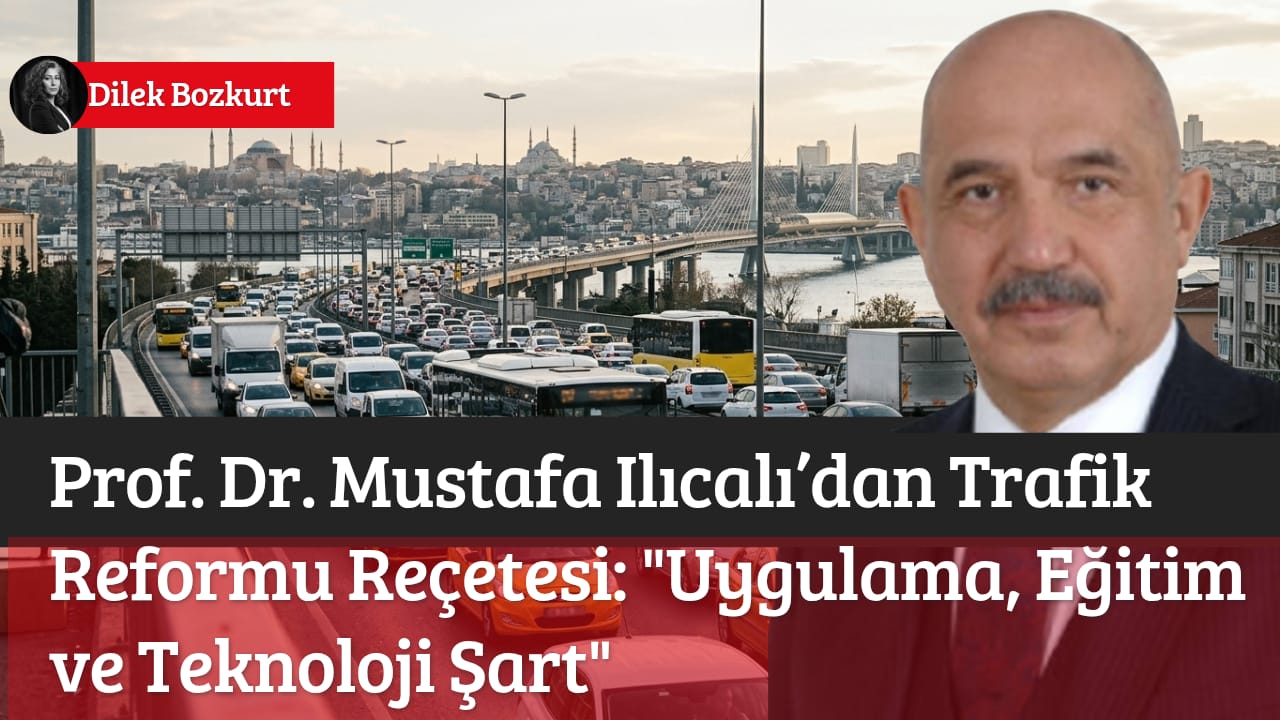
Gazeteci Dilek Bozkurt’un Trafik Haftası kapsamında gerçekleştirdiği röportajda, Prof. Dr. Mustafa Ilıcalı Türkiye’nin trafik sorununu mercek altına aldı. Ilıcalı, Türkiye’nin trafik sorununa neşter vurdu. Mevzuatın yeterliliğinden “uyarılmış talep” riskine, gelire göre ceza sisteminden sürücü eğitimindeki köklü eksikliklere kadar her detayı tüm çıplaklığıyla gözler önüne sererken cezaların da gelire göre düzenlenmesinden EDS’deki mantık değişikliğine kadar çok konuşulacak açıklamalarda bulundu.
HALKWEB – Türkiye’de her yıl kutlanan Trafik Haftası’na rağmen kaza istatistiklerinde kalıcı düşüşün sağlanamaması, sistemdeki eksiklikleri yeniden gündeme taşıdı. Prof. Dr. Mustafa Ilıcalı, sorunun mevzuat yetersizliğinden değil, sahadaki uygulama ve denetim sürekliliğinden kaynaklandığını vurguladı.
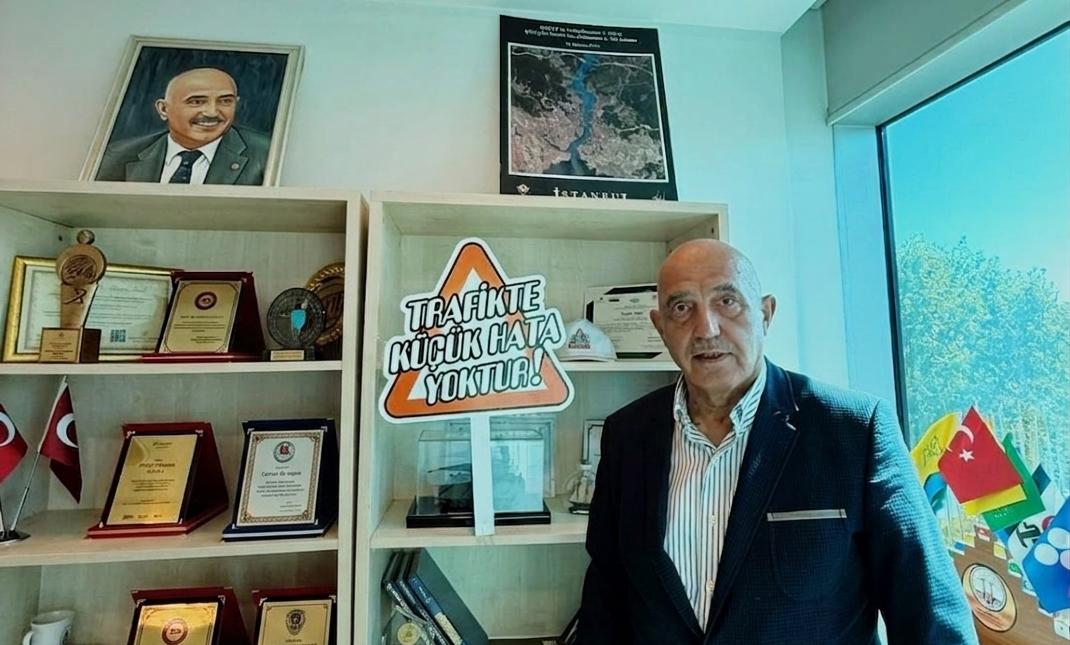
”EN ZAYIF HALKA UYGULAMA “
Mevzuatın uluslararası standartlarda olduğunu belirten Ilıcalı, asıl meselenin “algılanan yakalanma riski” olduğunu söyledi. Sürücülerin sadece denetim noktalarında değil, her an denetlenebileceğini hissetmesi gerektiğini ifade eden Ilıcalı, “Trafik güvenliği bir zincir ise, bu zincirin en zayıf halkası uygulamadır. Kurumlar arası koordinasyon ve veri temelli yaklaşım şarttır” dedi.
EĞİTİMDE “KÜÇÜK HATA ” DEVRİMİ
Trafikteki saygısızlık ve sabırsızlık sorununa mühendislik çözümlerinin (yol geometrisi, akıllı sinyalizasyon) ancak kısa vadeli pansuman olabileceğini belirten Ilıcalı, kalıcı çözümün eğitimde olduğunu savundu. İstanbul Ticaret Üniversitesi ve Milli Eğitim Bakanlığı iş birliğiyle yürütülen “Trafikte Küçük Hata Yoktur” projesine dikkat çeken uzman, şu detayları paylaştı:
Erken Yaşta Bilinç: Okul öncesi ve ilkokul çocuklarına tiyatro, interaktif oyun ve seminerlerle eğitim veriliyor.
Kelebek Etkisi: Eğitilen çocukların kendi ailelerini de bilinçlendirmesi hedefleniyor.
Algı Değişimi: En küçük ihlalin bile ölümcül sonuçlar doğurabileceği bilinci erken yaşta yerleştiriliyor.
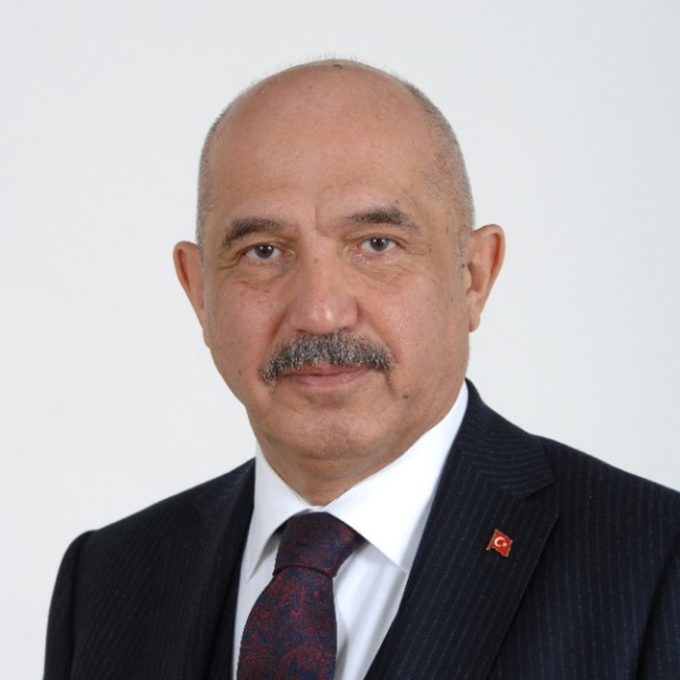
Prof. Dr. Mustafa Ilıcalı
SÜRÜCÜ KURSLARI REVİZE EDİLMELİ
Kazaların %90’ının “insan hatası” olarak etiketlenmesinin yanıltıcı olduğunu ifade eden Ilıcalı, sistemin sürücüyü hataya açık hale getirdiğini belirtti. Mevcut kursların sadece araç kullanmayı öğrettiğini, ancak risk algısı, tehlike öngörme ve stres yönetimi gibi konularda yetersiz kaldığını söyledi. Gelişmiş ülkelerdeki simülasyon destekli eğitimler ve psikoteknik değerlendirmelerin Türkiye’de yaygınlaşması gerektiğini vurguladı.
”YENİ YOL YAPMAK TRAFİĞİ DAHA DA KÖTÜLEŞTİREBİLİR”
İstanbul gibi metropollerdeki trafik yoğunluğuna değinen Ilıcalı, “uyarılmış talep” (induced demand) tehlikesine dikkat çekti. Yeni yolların ve tünellerin kısa vadeli rahatlama yaratsa da, orta vadede toplu taşımayı bırakan kişileri özel araç kullanımına teşvik ederek trafiği daha da içinden çıkılmaz hale getirdiğini anlattı. Çözüm olarak raylı sistemler ve bütüncül ulaşım planlamasını işaret etti.
EDS’de “FREN LAMBASI ” DÖNEMİ BİTMELİ
Elektronik Denetleme Sistemleri’nin (EDS) çalışma prensibinin değişmesi gerektiğini savunan Ilıcalı, “Noktasal denetim sürücüyü sadece kamera önünde yavaşlatıyor. Oysa koridor bazlı denetim (ortalama hız ölçümü), sürücüyü tüm güzergah boyunca kurala uymaya zorunlu kılan bir disiplin mekanizmasıdır” açıklamasında bulundu.
CEZALARDA “SOSYAL ADALET ” ÖNERİSİ : Gelire Göre Ceza
Mevcut ceza sisteminin adalet algısını zedelediğini belirten Prof. Dr. Ilıcalı, Avrupa modellerini örnek gösterdi:
”Sabit ceza miktarı düşük gelirli üzerinde caydırıcıyken, yüksek gelirli için aynı etkiyi yaratmıyor. Cezaların gelire göre belirlenmesi, her birey için eşit caydırıcılık sağlar. Bunun için hukuki altyapı ve toplumsal kabul süreci yönetilmelidir.”
YENİ SÜRÜCÜLERE “Savunmacı Sürüş” NASİHATİ
Röportajın sonunda direksiyon başına yeni geçecek gençlere seslenen Ilıcalı, araç kullanmanın bir özgürlük değil, sorumluluk olduğunu hatırlattı. “Sadece kendi hatanızdan değil, başkasının hatasından da sorumlusunuz” diyen uzman; takip mesafesinin hayati önemini, hız sınırlarının zorunluluğunu ve dikkat dağıtıcı unsurların (telefon vb.) kazaya davetiye çıkardığını bir kez daha hatırlattı.
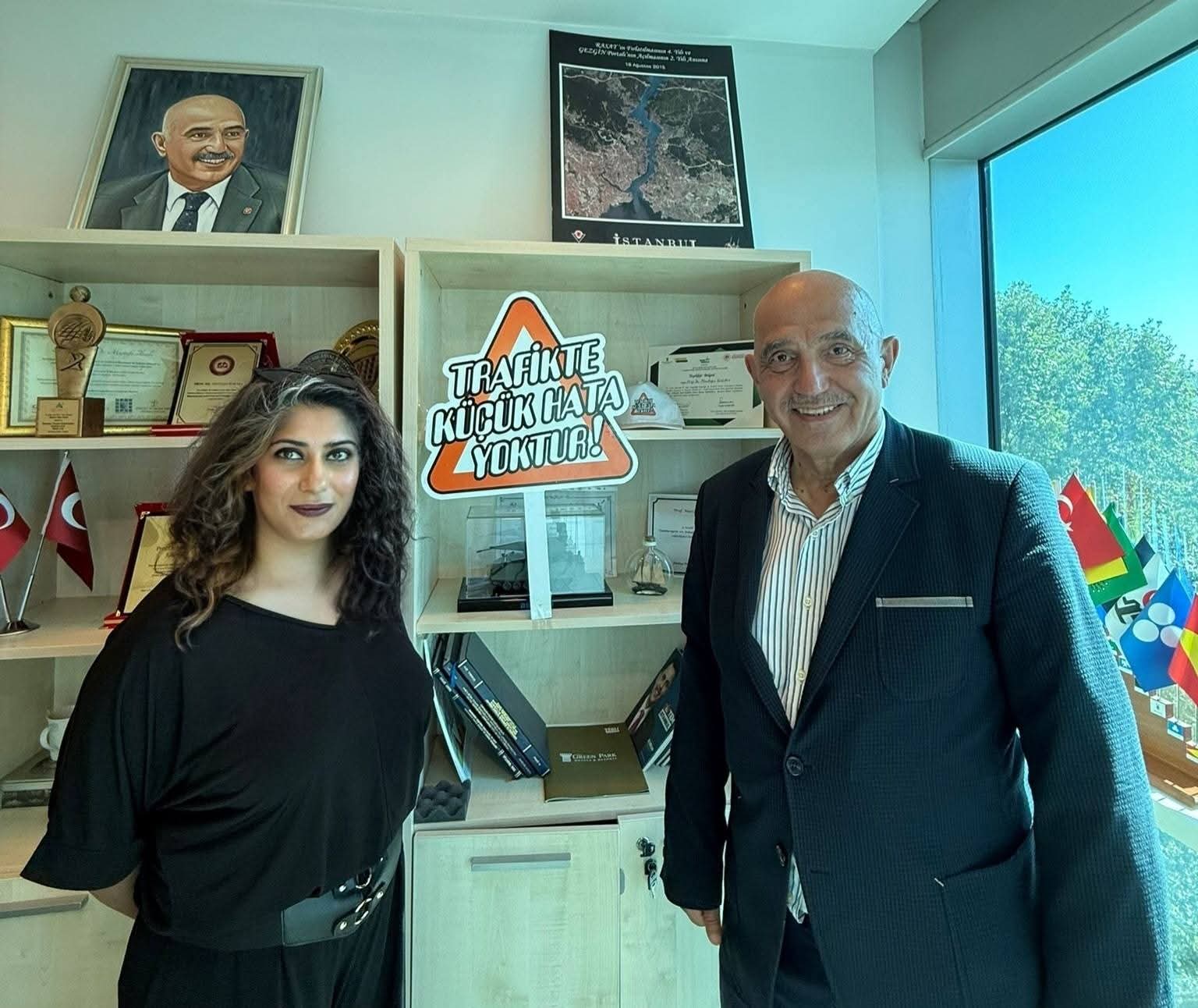
İşte Röportajın Tamamı:
Türkiye’de her yıl “Trafik Haftası” kutlanıyor ancak kaza istatistiklerinde istediğimiz kalıcı düşüşü neden yakalayamıyoruz? Temel sorun mevzuat mı yoksa uygulama mı?
Trafik güvenliği konusu belirli gün ve haftalarla sınırlı bir farkındalık meselesi değildir; bu, süreklilik gerektiren çok boyutlu bir sistem yönetimi problemidir. Türkiye’de mevcut mevzuata baktığımızda, hız sınırlarından alkollü araç kullanımına, emniyet kemeri zorunluluğundan denetim mekanizmalarına kadar birçok düzenlemenin uluslararası standartlara yakın olduğunu görüyoruz. Dolayısıyla sorun büyük ölçüde mevzuat eksikliği değildir. Asıl problem, bu mevzuatın sahada ne ölçüde ve ne süreklilikle uygulandığıdır. Denetimlerin dönemsel olarak artıp azalması, sürücülerde kalıcı bir davranış değişikliği oluşturmamaktadır. Oysa trafik güvenliğinde esas olan, sürücünün her an denetlenebileceğini düşünmesi, yani “algılanan yakalanma riskinin” yüksek olmasıdır. Bunun yanı sıra kurumlar arası koordinasyon eksikliği, veri paylaşımındaki yetersizlikler ve yerel yönetimlerle merkezi idare arasındaki uyum problemleri de sistemin etkinliğini azaltmaktadır. Trafik güvenliği bir zincir ise, bu zincirin en zayıf halkası uygulamadır. Bu nedenle kalıcı başarı için sürekli, entegre ve veri temelli bir uygulama yaklaşımı benimsenmelidir.
Trafikteki “saygısızlık” ve “sabırsızlık” sorununu bir mühendislik çözümüyle mi, yoksa uzun vadeli bir eğitim reformuyla mı aşabiliriz?
Trafikteki saygısızlık ve sabırsızlık gibi davranışsal sorunları tek bir yöntemle çözmek mümkün değildir; bu tür problemler çok katmanlı bir yaklaşım gerektirir. Kısa vadede mühendislik çözümleri oldukça etkilidir. Örneğin yol geometrisinin değiştirilmesi, hız düşürücü fiziksel düzenlemeler, akıllı sinyalizasyon sistemleri ve elektronik denetleme altyapıları sürücü davranışlarını doğrudan yönlendirebilir. Bu tür uygulamalar sürücünün tercihine bırakmadan doğru davranışı zorunlu kılar. Ancak bu tür çözümler davranışı kontrol eder, kalıcı olarak değiştirmez. Kalıcı değişim için eğitim şarttır. Trafik kültürü, küçük yaşlardan itibaren verilmesi gereken bir bilinçtir. Okullarda verilen trafik eğitiminin teorik olmaktan çıkarılıp uygulamalı ve davranış temelli hale getirilmesi gerekmektedir. Aynı zamanda toplumsal farkındalık kampanyalarının sürekliliği sağlanmalıdır. Sonuç olarak mühendislik çözümleri hızlı sonuç verirken, eğitim uzun vadede toplumsal dönüşümü sağlar. Bu iki yaklaşım birlikte ve eş zamanlı uygulanmalıdır.
Bu çerçevede başkanı olduğum Trafikte Ortak Akıl Projeleri Derneği, mensubu olduğum İstanbul Ticaret Üniversitesi ve Milli Eğitim Bakanlığı tarafından yürütülen “Trafikte Küçük Hata Yoktur” projesi, trafik güvenliğine bakış açısını kökten değiştirmeyi hedefleyen bir eğitim ve farkındalık modelidir. Projenin temel amacı; trafikte çoğu zaman önemsenmeyen küçük ihlallerin aslında ölümcül sonuçlara yol açabileceği bilincini özellikle çocuk yaşlarda kazandırmaktır. Bu kapsamda, bireylerin hatalarını meşrulaştırma eğilimini ortadan kaldırmak ve her kural ihlalinin ciddi bir risk taşıdığı algısını yerleştirmek hedeflenmektedir.
Proje özellikle okul öncesi ve ilkokul çağındaki çocuklara odaklanarak, trafik bilincinin erken yaşta oluşturulmasını amaçlamaktadır. Bu doğrultuda tiyatro gösterileri, interaktif oyunlar, seminerler ve eğitim programları aracılığıyla çocuklara trafik kuralları eğlenceli ve kalıcı bir şekilde öğretilmekte; aynı zamanda bu çocukların ailelerini de bilinçlendirmesi hedeflenmektedir. Böylece sadece bireysel değil, toplumsal düzeyde bir davranış dönüşümü sağlanması amaçlanmaktadır. Projenin bir diğer önemli hedefi ise geniş kitlelere ulaşarak trafik güvenliği konusunda sürdürülebilir bir farkındalık oluşturmaktır. Bu kapsamda dernek olarak hazırladığımız kamu spotları ve youtube yayınları ile ülke genelinde farkındalık oluşturmayı hedeflemekteyiz.
Kazaların %90’ından fazlası “insan hatası” olarak raporlanıyor. Sizce bu hataları minimize etmek için sürücü kursu eğitimleri yeterli mi?
Kazaların büyük çoğunluğunun “insan hatası” olarak sınıflandırılması, çoğu zaman yanlış bir algıya yol açmaktadır. Bu ifade, hatanın yalnızca sürücüye ait olduğu anlamına gelmez; aksine sistemin sürücüyü hataya açık hale getirdiğini de gösterir. Mevcut sürücü kursu eğitimleri incelendiğinde, büyük ölçüde sınav odaklı, teorik ve ezbere dayalı bir yapı olduğu görülmektedir. Oysa modern trafik güvenliği yaklaşımında sürücü eğitimi, sadece araç kullanmayı öğretmekle sınırlı değildir. Risk algısı geliştirme, tehlike öngörme, dikkat yönetimi ve stres altında doğru karar verme gibi becerilerin kazandırılması gerekmektedir.
Gelişmiş ülkelerde simülasyon destekli eğitimler, gece sürüşü deneyimleri, farklı hava koşullarında uygulamalar ve psikoteknik değerlendirmeler eğitim sürecinin bir parçasıdır. Türkiye’de ise bu tür uygulamalar oldukça sınırlıdır. Ayrıca trafik güvenliği sadece sürücülerle ilgili değildir; yayalar, bisikletliler ve diğer yol kullanıcıları da sistemin bir parçasıdır. Bu nedenle eğitim, toplumun tüm kesimlerini kapsayacak şekilde yeniden yapılandırılmalıdır.
Bu noktada “Trafikte Küçük Hata Yoktur” yaklaşımı, eğitim sisteminin dönüşümünde kritik bir tamamlayıcı rol üstlenmektedir. Bu yaklaşım, sürücülere ve tüm yol kullanıcılarına, trafikte yapılan en küçük ihlalin dahi bir kaza zincirinin başlangıcı olabileceğini anlatmayı hedefler. Özellikle erken yaşta verilen bu farkındalık, bireylerin ilerleyen yıllarda daha dikkatli ve sorumlu davranışlar sergilemesini sağlar. Yani mesele sadece araç kullanmayı öğretmek değil, hata algısını ve risk bilincini kökten değiştirmektir.
Dünyanın trafik yoğunluğu en yüksek şehirlerinden birinde yaşıyoruz. Yeni yollar ve tüneller yapmak trafiği çözüyor mu, yoksa “uyarılmış talep” yaratarak daha fazla aracı mı yola çıkarıyor?
Büyük şehirlerde trafik sorununa sadece yeni yol ve tünel yaparak çözüm bulmak mümkün değildir. Ulaşım planlaması literatüründe “uyarılmış talep” olarak bilinen bir kavram vardır. Buna göre, mevcut yol kapasitesini artırdığınızda kısa vadede bir rahatlama sağlarsınız; ancak orta ve uzun vadede bu yeni kapasite daha fazla araç kullanımını teşvik eder ve trafik tekrar eski yoğunluğuna ulaşır, hatta daha da kötüleşebilir. İstanbul gibi metropollerde bu durum çok daha belirgindir. Çünkü kentteki araç sahipliği potansiyeli ve seyahat talebi oldukça yüksektir. Yeni bir yol açıldığında, daha önce toplu taşıma kullanan veya farklı saatlerde seyahat eden kişiler özel araç kullanımına yönelebilir. Bu da trafiği yeniden yoğunlaştırır. Bu nedenle ulaşım sorununa bütüncül yaklaşmak gerekir. Toplu taşıma yatırımlarının artırılması, raylı sistemlerin yaygınlaştırılması, talep yönetimi politikaları ve akıllı ulaşım sistemleri ile birlikte planlama yapılmalıdır. Yeni yol yatırımları tamamen gereksiz değildir; ancak tek başına çözüm değildir ve doğru strateji ile desteklenmediğinde sorunu büyütebilir.
Elektronik Denetleme Sistemleri’nin (EDS) yaygınlaşması sürücü davranışlarını gerçekten kalıcı olarak değiştirdi mi?
Elektronik Denetleme Sistemleri, trafik güvenliğinin sağlanmasında vazgeçilmez bir araçtır ve mutlaka yaygınlaştırılması gereken bir denetim modelidir. Günümüz trafik yapısında sadece fiziki denetimle sürekli ve etkin bir kontrol sağlamak mümkün değildir. Bu nedenle EDS, denetimin sürekliliğini sağlayarak sistemin en kritik bileşenlerinden biri haline gelmiştir.
Ancak mevcut uygulamalara bakıldığında, EDS sistemlerinin büyük ölçüde noktasal denetim mantığıyla çalıştığı görülmektedir. Bu durum sürücü davranışlarını kalıcı olarak değiştirmemektedir. Sürücüler kamera noktalarını bildikleri için sadece o noktaya yaklaşırken hızlarını düşürmekte, denetim noktasını geçtikten sonra tekrar eski sürüş alışkanlıklarına dönmektedir. Bu da sistemin etkisini sınırlı ve geçici hale getirmektedir.
Bu noktada esas yaklaşımın koridor bazlı denetim olması gerektiğini vurgulamak gerekir. Yani belirli bir nokta değil, bir güzergâhın tamamı denetlenmelidir. Ortalama hız ölçümü gibi yöntemlerle sürücünün sadece anlık değil, yol boyunca sergilediği davranış kontrol altına alınmalıdır. Bu yaklaşım, sürücünün belirli bir noktada değil, tüm seyahat süresi boyunca kurallara uymasını zorunlu hale getirir.
Koridor bazlı EDS uygulamaları, sürücülerde sürekli denetlenme algısını güçlendirir ve bu da davranışın kalıcı olarak değişmesini sağlar. Böylece sistem, sadece ihlal tespit eden bir yapı olmaktan çıkar, aynı zamanda sürüş davranışını disipline eden bir mekanizmaya dönüşür.
Sonuç olarak EDS sistemleri kesinlikle gereklidir; ancak gerçek anlamda etkili olabilmesi için noktasal denetimden çıkıp koridor bazlı, sürekli ve bütüncül bir denetim anlayışına evrilmesi gerekmektedir.
Mevcut trafik cezalarının caydırıcılığı hakkında ne düşünüyorsunuz? Gelire göre ceza sistemi gibi modeller Türkiye’de uygulanabilir mi?
Trafik cezalarının caydırıcılığı, sadece ceza miktarı ile değil, aynı zamanda denetim sıklığı ve yakalanma ihtimali ile doğrudan ilişkilidir. Türkiye’de uygulanan sabit ceza sistemi, farklı gelir grupları üzerinde farklı etkiler yaratmaktadır. Düşük gelirli bireyler için ciddi bir caydırıcılık söz konusu iken, yüksek gelir gruplarında aynı etkiyi yaratmamaktadır. Bu durum adalet algısını da zedeleyebilir. Avrupa’nın bazı ülkelerinde uygulanan gelire göre ceza sistemi, bu sorunu ortadan kaldırmayı amaçlamaktadır. Bu modelde ceza miktarı kişinin gelirine göre belirlenir ve böylece her birey için eşit caydırıcılık sağlanır. Türkiye’de bu sistemin uygulanması teknik olarak mümkündür; ancak gelir verilerinin doğru ve güncel bir şekilde entegre edilmesi, hukuki altyapının oluşturulması ve toplumsal kabulün sağlanması gerekmektedir. Bununla birlikte unutulmaması gereken en önemli nokta, cezanın büyüklüğünden ziyade uygulanma ihtimalidir. Eğer sürücüler kuralları ihlal ettiklerinde yakalanmayacaklarını düşünürse, en yüksek cezalar bile etkisiz kalır. Bu nedenle caydırıcılık için ceza sistemi ile denetim mekanizmalarının birlikte güçlendirilmesi gerekmektedir.
Trafik Haftası özelinde, direksiyon başına yeni geçecek gençlere “bir hoca” olarak vereceğiniz en hayati üç tavsiye nedir?
Trafikte yeni yer alacak genç sürücülere verilecek en önemli mesaj, araç kullanmanın bir özgürlük değil, büyük bir sorumluluk olduğudur. Birinci olarak hız konusuna dikkat çekmek gerekir. Hız, trafik kazalarının en önemli belirleyicisidir ve fizik kuralları gereği hız arttıkça hem durma mesafesi uzar hem de çarpışma şiddeti katlanarak artar. Bu nedenle hız sınırları bir öneri değil, hayati bir gerekliliktir. İkinci olarak savunmacı sürüş anlayışının benimsenmesi gerekir. Trafikte sadece kendi davranışlarınızdan değil, diğer sürücülerin hatalarından da sorumlusunuz. Haklı olmak, kazayı önlemez; önemli olan kazayı hiç yaşamamaktır. Bu nedenle her zaman diğer sürücülerin hata yapabileceğini varsayarak hareket edilmelidir. Üçüncü olarak dikkat yönetimi son derece kritiktir. Direksiyon başında telefon kullanımı başta olmak üzere dikkat dağıtıcı her unsur, kazaya davetiye çıkarır. Sürüş sırasında odaklanılması gereken tek şey yoldur. Trafik bir rekabet alanı değil, ortak kullanım alanıdır ve bu bilinçle hareket edilmesi gerekir.