




 When we think of war, most people think of weapons, fronts and conflicts. However, a significant part of the long-standing war against the Kurds is being waged not with weapons, but with minds and perceptions. This “special war” is a quiet but effective set of methods targeting Kurds living in Rojava and Aleppo in particular. The aim is not to destroy them directly, but to break the will of the Kurds, devalue their gains and render their existence moot.
The basis of the special war is to weaken the Kurds' will to govern themselves and live with their own identity. The model of governance that has emerged in Rojava is being targeted with propaganda as intense as military attacks. The Kurds living in Aleppo have long been facing a more invisible but continuous form of this war. Kurdish neighborhoods, institutions and social ties are being suppressed and the public presence of Kurds is being narrowed.
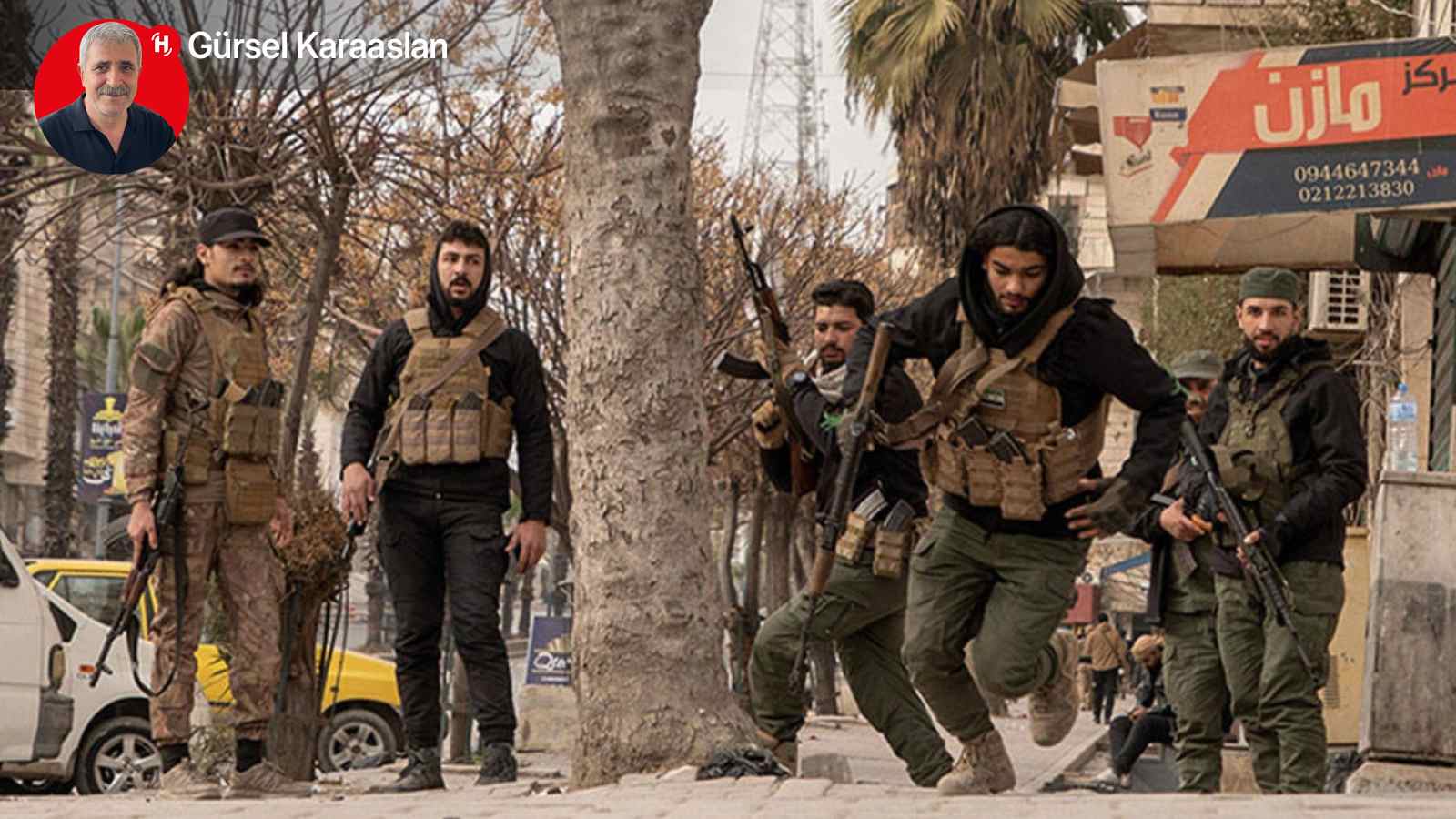
In recent days, the special war against the Kurds in Aleppo has been felt more clearly. In the areas where Kurds live, repression is increased on security grounds, and any kind of organization with a Kurdish identity is considered suspicious. In the media and social sphere, Kurds are either completely ignored or blamed for every tension. This language aims to target Kurds and isolate them in society.
Information and perception are the most effective weapons in this process. While reporting the developments in Aleppo, the views, demands and problems of the Kurds are almost never included. What is happening is presented through one-sided narratives; Kurds are portrayed as either a passive mass or a source of “problems”. This situation aims to weaken the Kurds' subject status and render their legitimate demands invisible.
Social segregation is one of the most prominent aspects of the special war in Aleppo. Relations between Kurds and other peoples are deliberately portrayed as tense and experiences of living together are ignored. Small incidents are magnified to create an anti-Kurdish perception, which deepens mistrust. Thus, the aim is to isolate the Kurds and leave them defenseless.
Economic pressure is also an important tool recently used against Kurds in Aleppo. Restricting job opportunities, blocking aid, and making living conditions more difficult are turning into pressure mechanisms that force people to migrate or remain silent. In an environment where daily life is so difficult, people find it more difficult to defend their rights.
The most dangerous aspect of the special war is that all these events are presented as “temporary” or “normal”. The oppression of Kurds in Aleppo is normalized and those who object are portrayed as criminals or threats. This makes it difficult for Kurds to voice the injustice they are experiencing.
However, this war is not absolute. In Aleppo, the Kurds' efforts to claim their identity, their solidarity networks and their will to make the truth visible are the most important forces that can break the impact of the special war. In Aleppo, as in Rojava, Kurds continue to insist on existence and coexistence despite all oppression.
As a result, the special war against the Kurds continues today in Aleppo in a more current and more intense form. Words as much as weapons, silence as much as repression are part of this war. It is not only lands or institutions that are targeted, but the Kurdish will, identity and hope for the future. Therefore, it is both a political and humanitarian responsibility to recognize and name the special war