




 White, Sleepless Away...
Kars in Kars children
their dead in the falling snow
between my frozen eyes...
Cemal Süreyya “I wrote Kars in Paris, without seeing Kars. Oddly enough, Kars was the place where I was immediately sent for inspection when I returned home.” He says...
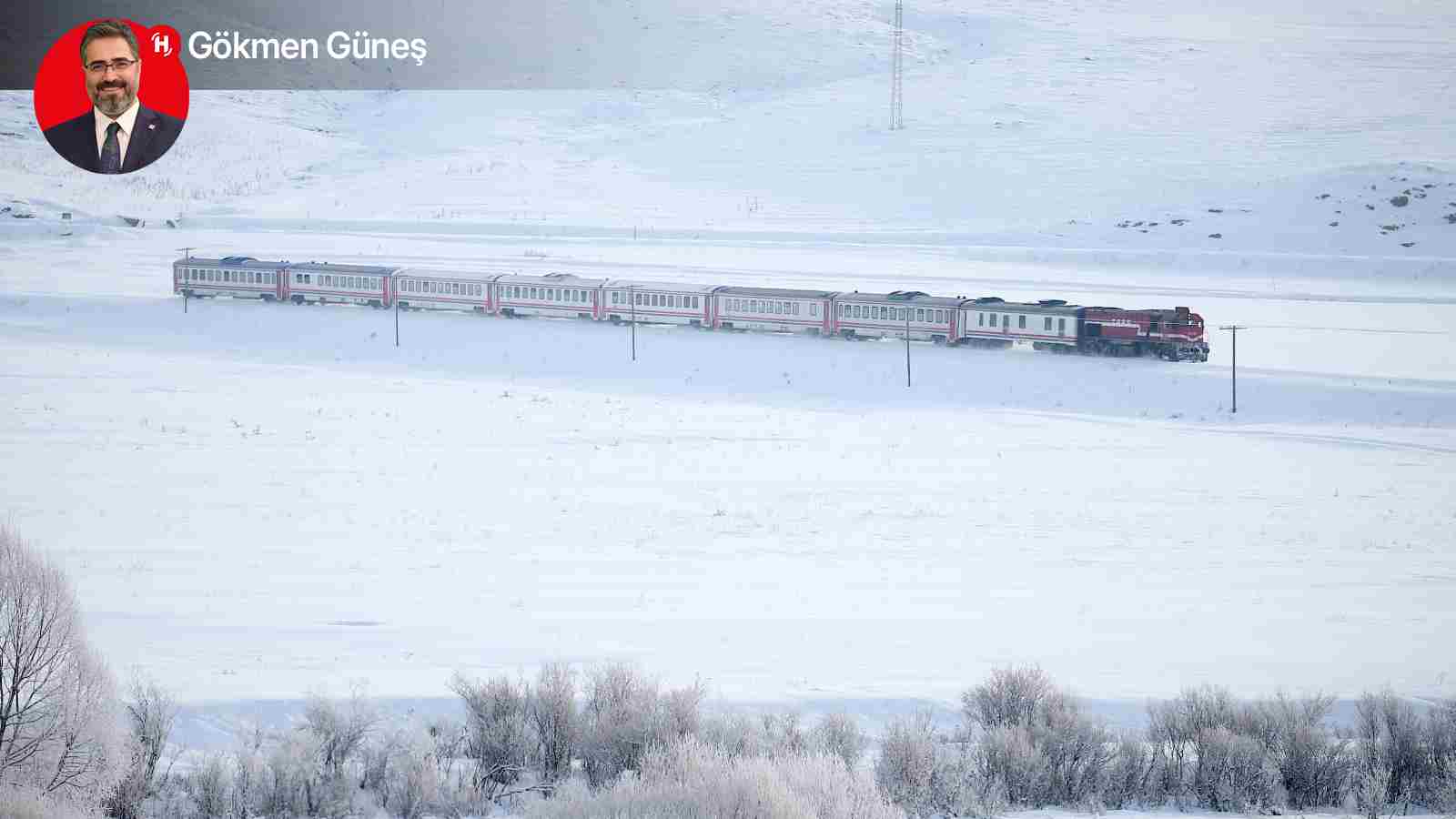
I am writing these lines while looking at a photograph of Kars wrapped in a snow shawl.
Cities are spatial identity spaces where the cultural richness and sum of values of the societies living in them are experienced.
Kars, a city on the margins, has a deep-rooted urban history, as it has been a settlement since the prehistoric times. While people with different ethnic identities migrating from various regions are influenced by each other's culture, tradition and customs, “peaceful” It is also an exemplary city with a way of life.
While the jokes start with a Terekeme, a Kurd, an Azeri and describe the approach and perspective of these three identities to the events; common memory “toyda” (at a wedding) and at a funeral.
Kars is a city that has also contributed to the existence and development of oral literature with its minstrel tradition.
In Kars, the elders of the city tell NAĞILLAR (fairy tales), the minstrels delight the listeners with LEBDEĞMEZ, and the Digor district continues its existence with strong examples of the Dengbej tradition. “Minstrel exchanges” are a fine example of wit and witty wit.
Kars is a multi-identity, multi-colored cultural climate. One of the first things that comes to mind when Kars is mentioned is the winter season. From November onwards, the city is home to harsh winters.
I have a memory of the season in Kars that always makes me smile when I remember it: When a guest who had come from Istanbul for vacation and was cold on a July evening turned to his host and asked when summer would come to Kars, the host replied “Son, I don't know about summer, but winter is a month away” is the answer.
This harsh winter season is one of the main reasons for migration from Kars.
In a city where the temperature is measured in the - 20s and - 25s on thermometers at night, the cold is not only cold hands and feet, but also the freezing water that the animals drink, the ice that freezes, and the weight of the feed to be carried.
Kars has experienced intense internal migration; especially metropolitan cities such as Istanbul and Ankara have received intensive migration from Kars. People who settled in the peripheries of the city, who worked in the neighborhood bazaars, who were far away from the land where they were born, and who therefore fell into the dilemma of expatriation and homesickness...
Haydar Ergülen “We are alone, Cemal Abi” In his poem, he describes the distance to Kars as follows;
“This raki, Cemal Abi
Drinking this raki with you
It was like going to Kars,
Raki was drunk long, Kars was traveled long...
Nowadays, as in the poem, there is a long journey to Kars, the name of this journey is “Orient Express”
The curiosity that started with the snow landscapes watched from the illuminated windows turned into a winter fairy tale with the magical view of the buildings in Kars, one of the most beautiful examples of Baltic Architecture, under the snowfall...
The passengers of the Orient Express, while seeing the two sides of life in Ani, return from Kars with the admiration of how life, which does not meet on both sides, sometimes becomes so beautiful by seeing a single city...
The impact of the Orient Express and the culture of traveling to Kars on winter tourism is of course tremendous, but I think the biggest contribution is the realization that the east of the country, which has been looked down upon for years, hides great gems...
Kars is the place where I was born and grew up, then fell away, and on my way back, I was not the same as I left...