




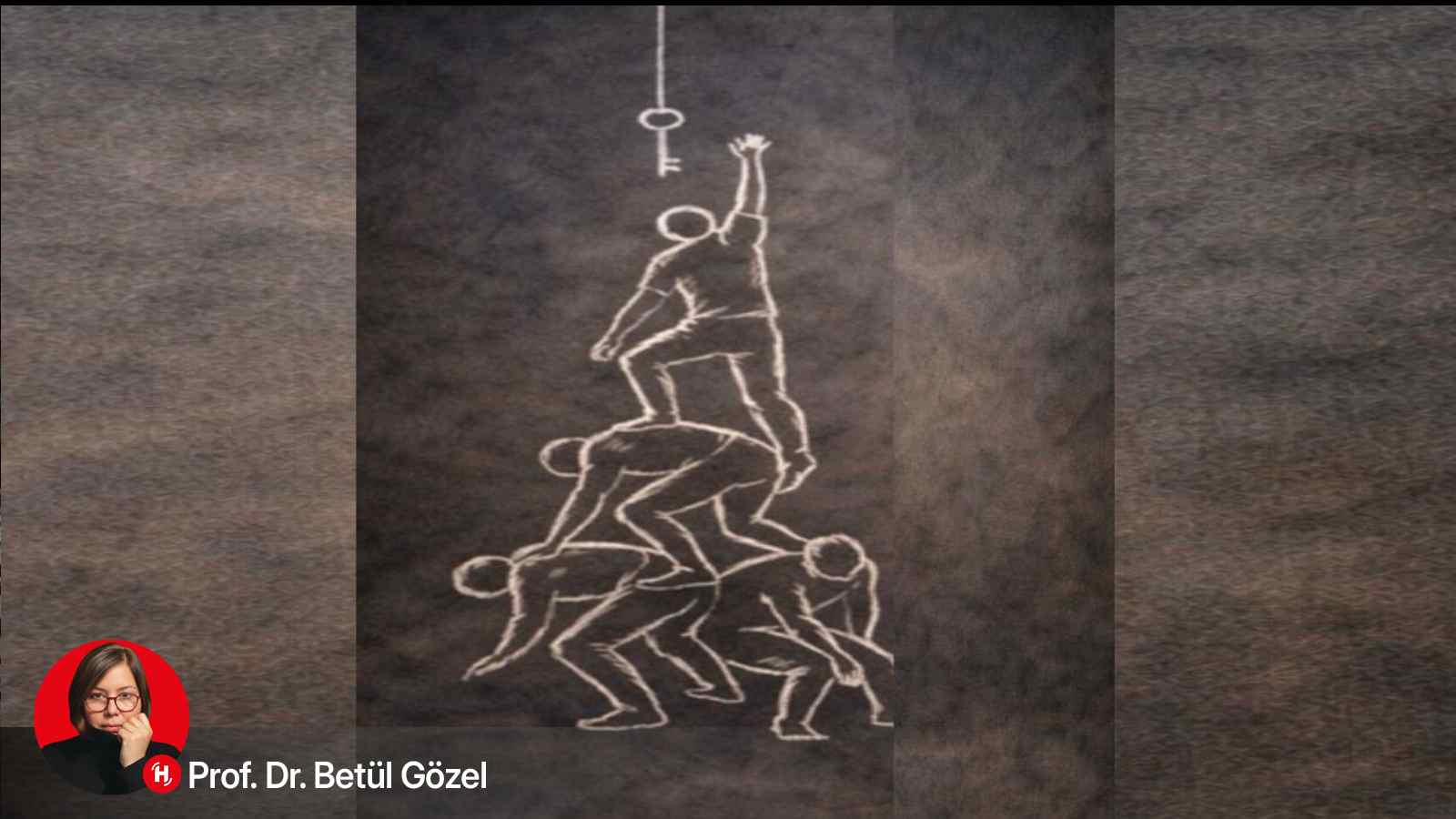
 “Turkish practical intelligence” we are often proud. Creating solutions out of nothing, finding a way out of a difficult situation, making things work somehow... All of this is true. But for some time now, I think we have been missing something important when we praise this concept.
What is called practical intelligence is the ability to find a way to cut corners, often in an environment where equality does not work, where control is not consistent. This is not always a problem; it often brings serious advantages. The problem comes when it is done at the expense of violating someone else's rights.
The moral climate of societies is decisive here. Where trust is low, people neither believe in each other nor in the system. Rules are not upheld internally, but by external control. In societies where trust is high, on the other hand, trust is assumed from the start.
This is the knot in Turkey: Those who follow the rules lose, those who wait are left behind; this is not a culture, but a learned way of survival.
On September 11, I was in the United States when the Twin Towers collapsed. “stay put” while relatives calling from outside “plane hit, don't wait, get out now” he said. Many people reportedly left the building with this first warning. Later, when the official evacuation order was given, they were asked to leave in an orderly, single file line. But this was not followed either.
It was a strange feeling to hear that when I was there.
You can laugh or cry...
But the reflex to take care of oneself in difficult times was common for the people of my country.
We see it everywhere in daily life. The one who cuts in line, “I have two minutes of work” There are people who move their queue forward, who speed up the process by finding acquaintances, who take it for granted that those who obey the rules wait.
Using the safety lane in traffic, running red lights when everyone else is stopped, “nobody's looking anyway” and those who use public space to their advantage stand in the same place.
Completing work in a public institution with missing documents, understating taxes, using someone else's labor without citing the source are also part of this chain. Each of these behaviors may seem small, but they silently diminish someone else's rights.
This picture is not a matter of intelligence, it is a matter of rights and order.
When order and system leave no gaps, problems are solved within the rules, not by shortcuts.