



 In the Kizilbash-Alawi faith tradition, woman is not only a biological subject, but also a founding figure who ensures the continuity of creation, carries social memory and is at the center of cultural transmission. She is regarded as a force that establishes both the material and spiritual dimensions of life. For this reason, in Alevi teachings, the woman is honored with the metaphor of “Goddess” because she is the one who gives birth, nurtures and shapes society. This perspective provides an ethical framework that sanctifies female identity.
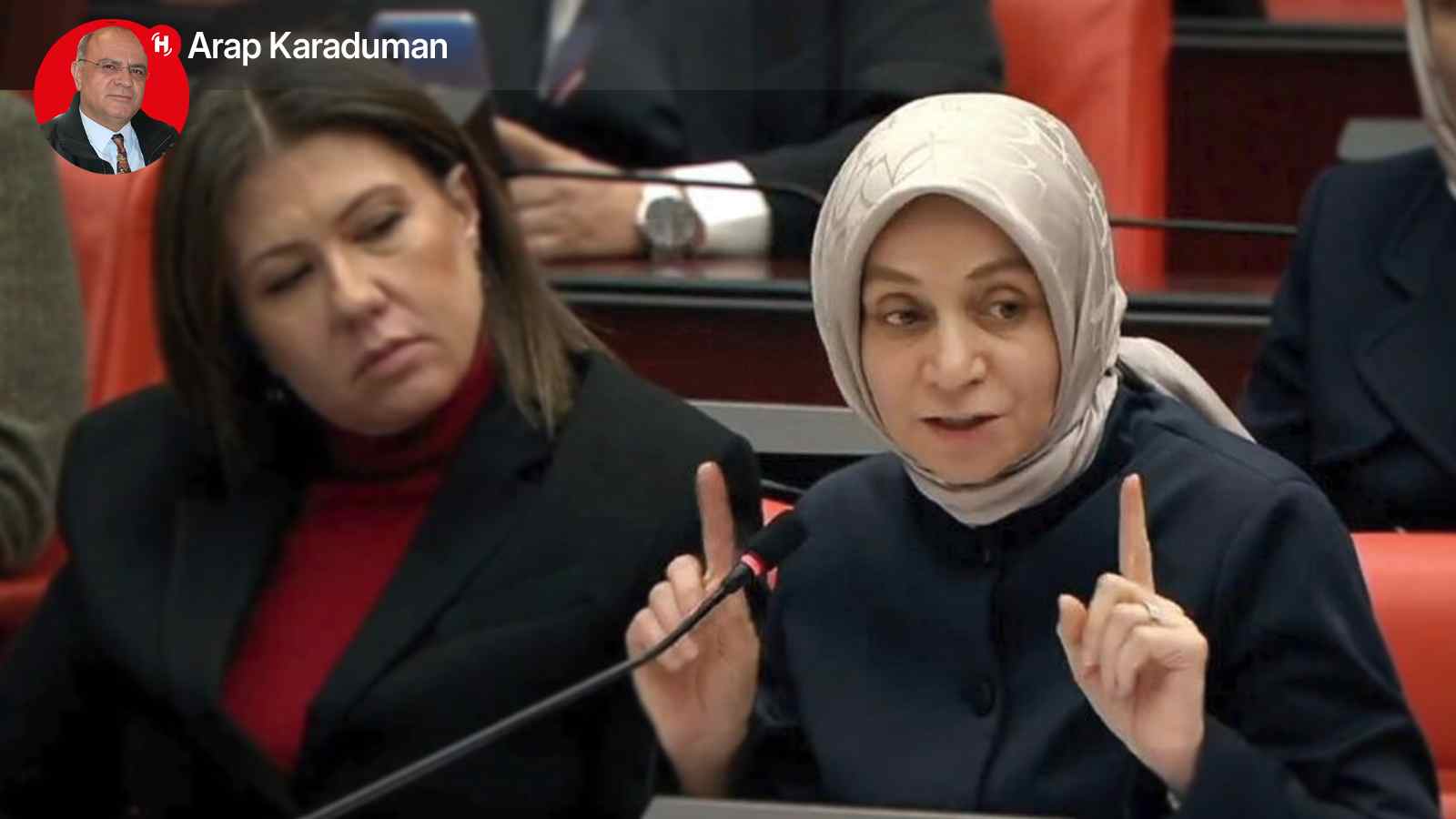
Precisely for this reason, the statements of Leyla Şahin Usta, who was elected as an MP from Konya and Ankara for four terms, targeting the Alevi community constitute not only a political debate but also a serious problem area in terms of political ethics, social responsibility, hate speech, sectarian discrimination and legal obligations. This approach, which distorts the conflicts in Syria with the discourse of “Alevi massacre”, is both disconnected from historical reality and produces a language that threatens social peace.
Historical Background and Memory of Sectarian Violence
When we look at Turkey's recent history, the fact that massacres such as Malatya, Maraş, Çorum, Sivas, Madımak and Gazi were committed with the cry of Allahu Akbar is still vivid in the collective memory. There is a strong academic consensus that radical religious organizations, Islam-Terror Squads and their ideological influence were behind these events. This consensus is based not only on social memory but also on national and international research.
The same ideological ground is the source of nourishment for organizations such as Al-Qaeda, Al-Nusra, Taliban, Hamas, FSA, ISIS and HTS operating in Syria. The attacks of these organizations against Alawites, Kurds, Christians, Durzis and other faith groups have been documented in detail in United Nations reports. Therefore, presenting the actions of these organizations as a “sectarian truth” is problematic both academically, legally and ethically.
Legal Limits of Political Discourse
The language used by a member of parliament from the ruling AKP is not an ordinary political choice; it is a force that directly affects social security. Article 10 of the Turkish Constitution clearly states that all citizens are equal before the law. Article 24 guarantees freedom of belief. Article 216 explicitly criminalizes speech that incites the public to hatred and hostility. In this framework, any discourse that targets sectarian identities, criminalizes social groups or portrays a faith community as a potential threat is legally questionable and dangerous for social peace.
The discourse of political actors of the Erdoğan-Gülen government can accelerate radicalization processes, nurture a climate of hatred and deepen social polarization. For this reason, it is a serious problem of responsibility, especially for a politician who also carries the identity of a mother, to produce a divisive language when she is expected to contribute to social peace.
Discourse Climate as a Source of Social Violence
The increasing number of femicides, child abuse, hate crimes and social violence in Turkey today cannot be explained solely by individual pathologies. These phenomena are directly related to the atmosphere produced by the climate of political discourse, the messages of religious authorities and the media language. The divisive language used in Friday sermons, social media, television screens and political pulpits weakens the social fabric and paves the way for radical tendencies. Political discourse is one of the most powerful tools that shape social behavior. Therefore, every statement targeting sectarian identities is not just an opinion; it is a potential social risk factor.
Ideological Framework, Equal Citizenship and Democratic Public Order
Any approach that ignores the historical sufferings of the Alevi community, targets or criminalizes them harms the common future of Turkey. In a democratic society, the institution of politics does not exist to divide society, but to unite, heal and strengthen common life. Therefore, what is needed is a political language based on equal citizenship, the rule of law, freedom of belief, secularism, pluralism and social peace. Any discourse that fuels sectarian tensions, triggers historical traumas and deepens social polarization is incompatible with democratic public order. For 26 years, Erdogan-Gülen fascism, which is the power of the Islam-terrorist squads of sects, has brought this divisive language to the country, and this sectarian logic is the very ground for producing politics in the shadow of the cultural conflict.