




 In the days when the party building debate was on the agenda in Istanbul, Gürsel Tekin told reporters:
“We are not friends of Aziz İhsan Aktaş.”
This was a clear positioning statement. What was said was: We stay out of this network of relations, we stay away from such contacts.
Everyone knows what is being discussed. It is not a secret who is being discussed.
There is not just one name in the file. The prosecutor's indictment reveals contacts with municipalities, tenders and money traffic. The trial is ongoing; the presumption of innocence is of course valid. But the charges are serious and the prosecution is not talking about isolated incidents, but a systematic network of relationships.
This is where a journalist starts to ask. Who was contacted, whose work was expedited, which doors were opened?
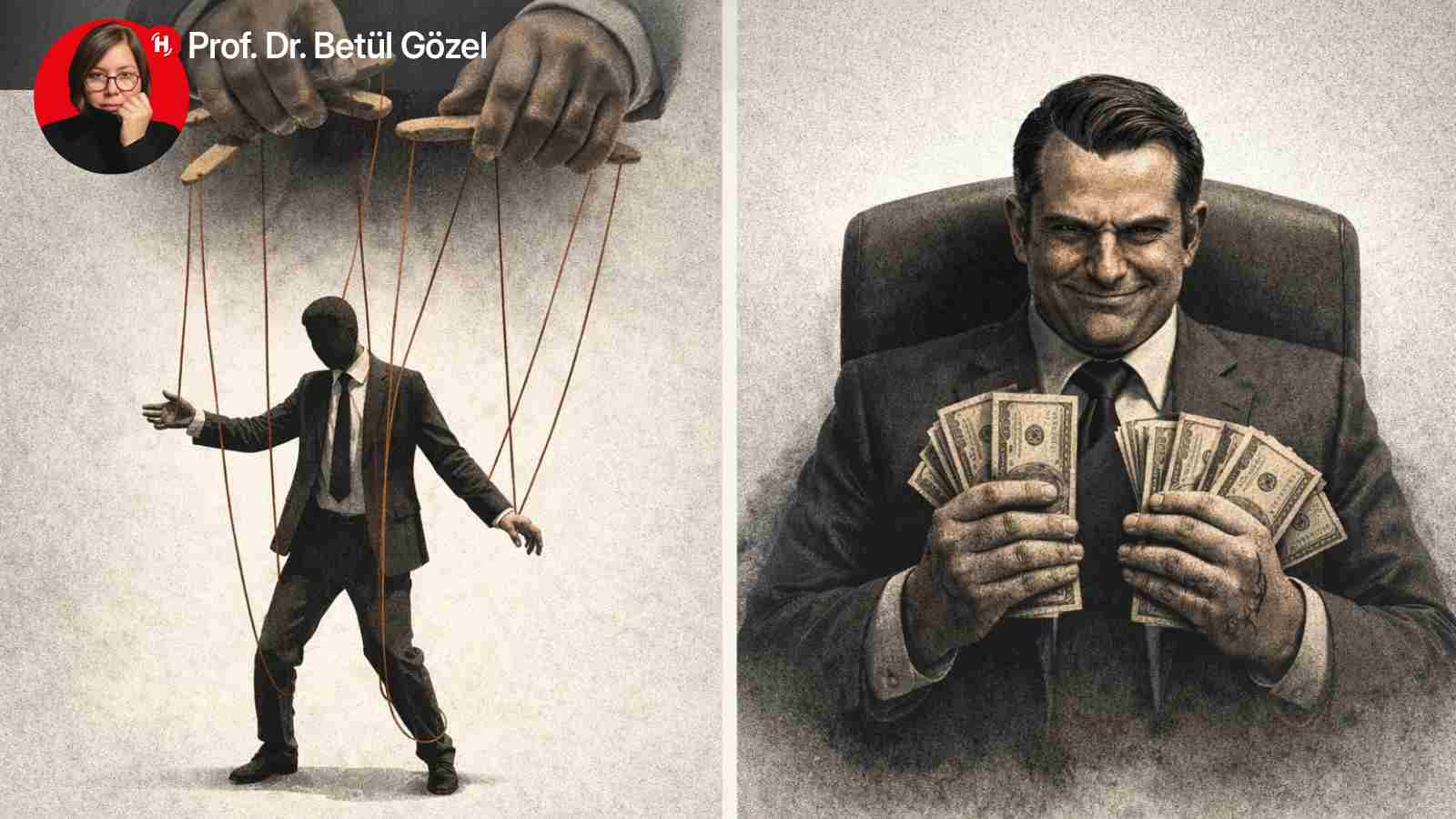
Because no order breaks down by itself. There are those who open those doors. There are those who remain silent. There are those who turn a blind eye. And every silence allows this sick order to take root a little more.
In the public sphere, the reality is clear: every door opened is a public door, every appointment made is a public appointment, every direction given is in the name of the public.
This is where political ethics and responsibility begin.
Political ethics is not about what is said but about what is done. All contacts must be recorded, everyone must be accountable for their work, and processes must be open to independent scrutiny. The preparation and execution of tenders must be carried out with full transparency; the use of public power for personal gain, interference, acceleration and bid rigging must be explicitly criminalized. If there are serious allegations, it is not enough to wait for the judiciary; those who exercise authority must assume political responsibility, including resignation from office.
This case cannot be solved in the courts alone. Politics must openly review its relationships and the way it does business. Contacts must be recorded, tenders must be transparent, assets must be regularly audited and ethics committees must not be for show.
Because democracy is not only about the ballot box. Democracy is the daily accountability of those who exercise authority on behalf of the public.
What we need today is transparency and courage, not hamas.
Ethics in politics is not measured by what you say, but by what relationships you refuse to enter into.
And let's go back to the first sentence.
Gürsel Tekin's message is clear and this is the way it should be. What the public expects is an open, transparent and accountable system.
With perception, responsibility and public conscience...