



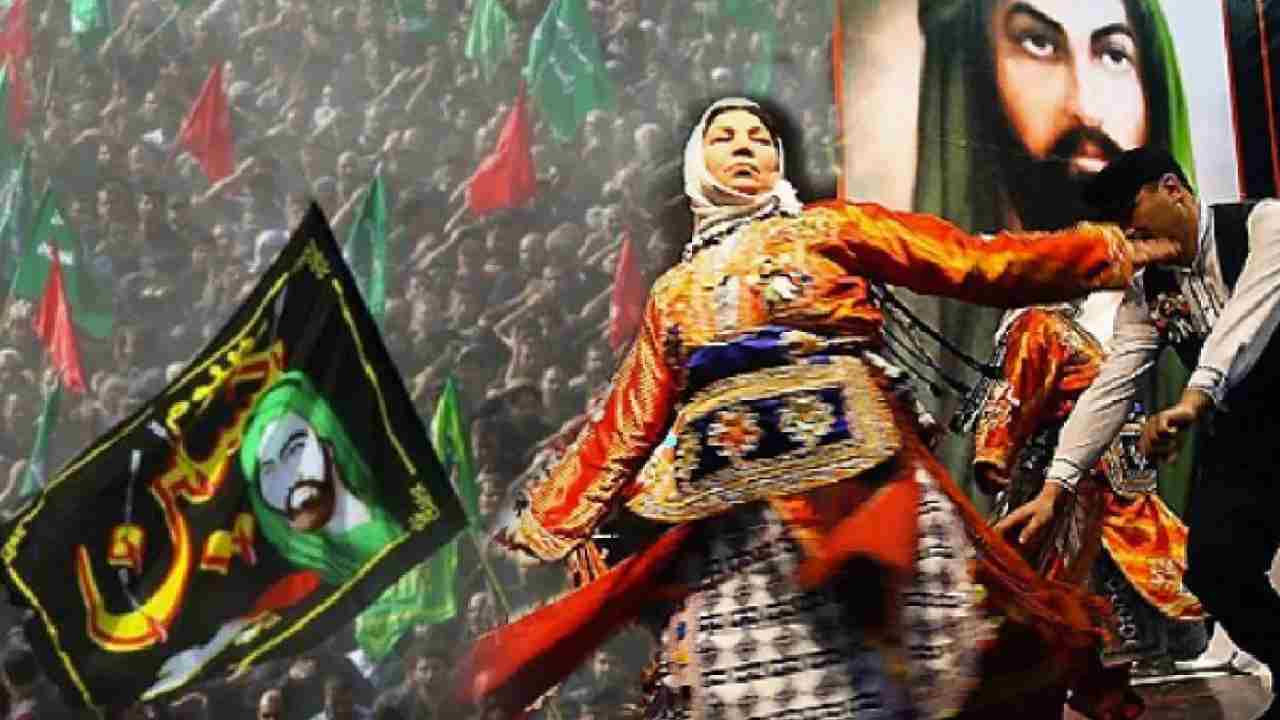
In recent days, there have been attempts to create false perceptions about Alevi citizens in Turkey based on the growing tension between Iran, Israel and the United States in the Middle East. This is an issue that needs to be handled carefully in terms of social peace.
Turkey's Sectarian Structure
Turkey has a complex social structure in terms of sectarian diversity. While Sunni Muslims constitute the majority of the country's population, there are also Alevis, Jafaris and other minority groups. Alevis have historically adopted a secular and egalitarian identity and are not directly involved in sectarian politics.
It is only possible to create tension in society through political provocation and disinformation.
The Difference Between Anatolian Alevism and the Shiite State of Iran
Anatolian Alevism is a tradition of belief and culture that has developed in these lands for centuries, centering on humanity, conscience, equality and social peace.
In Iran, by contrast, the political system that emerged after the Iranian Revolution in 1979 is based on the decisive role of the clergy in state governance.
Alevis in Turkey are not a natural extension of Iranian state policies.
Protests and Misperceptions in Turkey
Today, protests and statements made in some cities are often misinterpreted.
These actions are often motivated by the following reasons:
Anti-war There are calls for peace and diplomacy to avoid a new major war in the Middle East.
Fear of sectarian conflict: Concerns have been expressed that tensions in the region could lead to new humanitarian tragedies as sectarian conflicts escalate.
Anti-imperialist approach: Some democratic and leftist circles have reacted by arguing that foreign military interventions have plunged the region into greater crises.
Misperception on social media: To portray all of these protests, in which different social segments participated, as “support for Iran” does not reflect the truth.
Possible Implications of the Iran-Israel War for Turkey
Social media and disinformation: Some circles may spread false perceptions such as “Alevis support Iran” or “Sunnis support Israel”. Such manipulations may trigger social polarization.
Provocative actions: Street protests organized by small groups can increase social tensions. Disinformation spreads very quickly, especially in big cities and university circles.
External actors: Some countries or groups may use propaganda to undermine the social balance in Turkey on sectarian grounds. This risk is particularly high in border regions and cities with large minority populations.
Academic and security reports show that Alevi and Sunni communities in Turkey generally demand peace and social unity.
Experts emphasize that the risk of large-scale sectarian conflict is inherently low, but could be triggered by provocation and misinformation.
In this context, it would be useful to take some preventive measures, especially to preserve social peace in the current critical period.
Alevi institutions;
- Making statements based on factual information should be a message of peace.
- Disinformation spread on social media should be monitored and corrected.
- It should deliver equal and impartial messages to different segments of society.
- They should use careful and responsible language against provocations.
The Iran-Israel war will not directly create sectarian tensions in Turkey. The risk can only arise through misperceptions, provocations and social media manipulation. Alevis and the Sunni majority in Turkey are generally in favor of peace and unity.
The Alevi community in Turkey shapes its identity not through the policies of any foreign country, but through the common culture of Anatolia, the will to live together and the values of the Republic. Therefore, instead of portraying Alevis as a party to foreign policy conflicts, it is best for everyone to adopt an approach that strengthens unity, common sense and social peace.