



The Turkic World Common Alphabet Commission, established by the Organization of Turkic States (TST), started working on the Common Turkic Alphabet in 2022 and announced last September that it had agreed on the ‘Common Turkic Alphabet’ proposal consisting of 34 letters.
President Recep Tayyip Erdoğan, who attended the 11th Summit of Heads of State and Government of the Organization of Turkic States, touched upon this issue in his statement. Claiming that the member states of the organization have agreed on a common alphabet, Erdoğan said, “Turkey, Azerbaijan and the Turkish Republic of Northern Cyprus are ready for this. It would be appropriate for Kazakhstan, Kyrgyzstan, Uzbekistan and Turkmenistan to take the initiative for the transition to the new alphabet.” Erdoğan pointed out that the new alphabet would strengthen the historical ties between Turkic states.
Which letters will come?
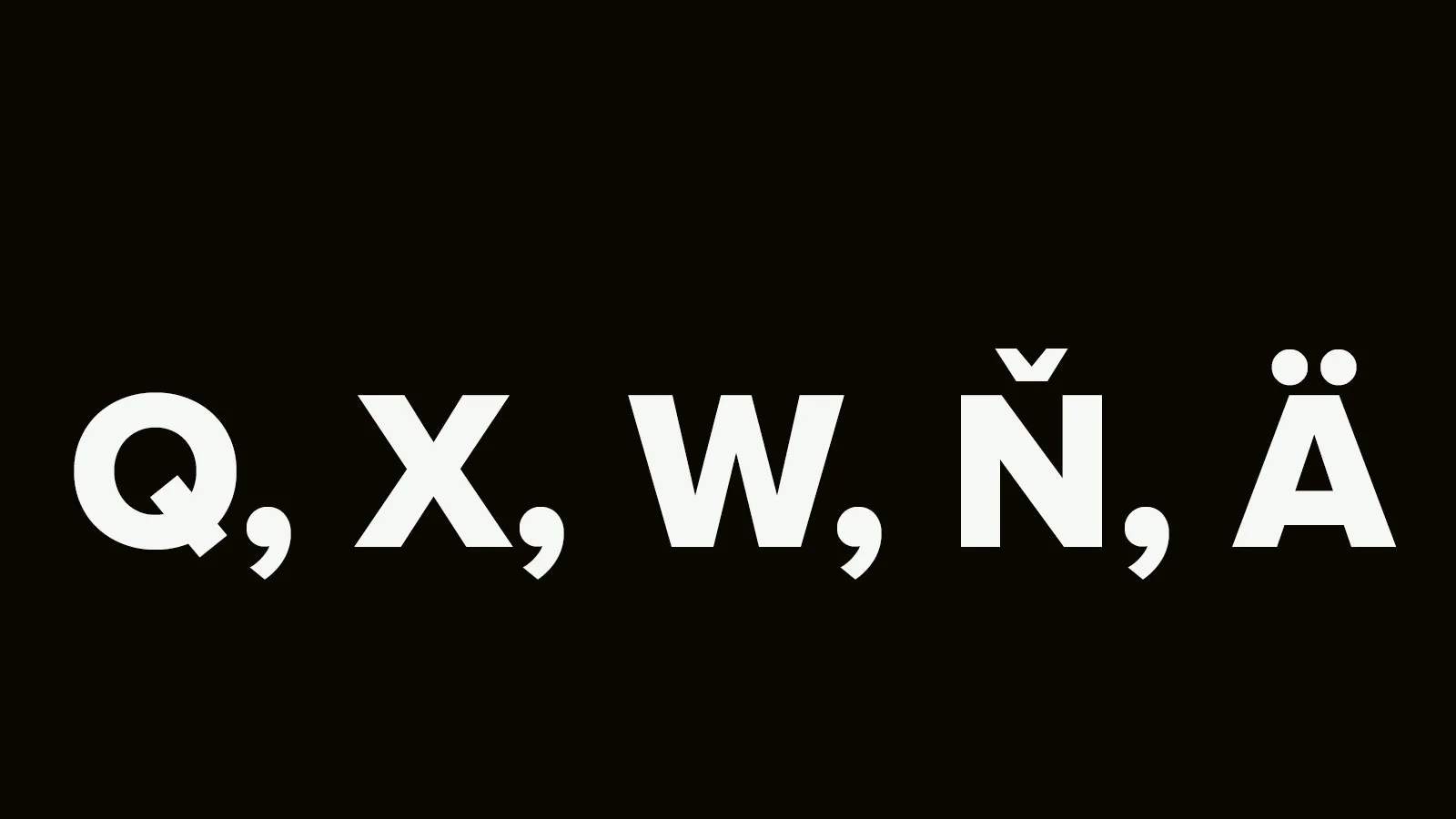
According to the adopted alphabet, the letters Q, X, W, Ň and Ä will be added to the 29 letters in the current alphabet. In this way, some Turkic states that still use the Cyrillic alphabet will also switch to the Latin alphabet.
So how will the addition of five new letters to the existing alphabet affect the education system in Turkey?
“We need to look at what the justification is”
We asked this question to education expert Özgür Bozdoğan, who is cautious about the proposed regulation. “Considering that the alphabet can be simply defined as the expression of the spoken language in symbols, it is necessary to look at what the justification for this planned change is,” Bozdoğan said, listing his reservations as follows:
“The current alphabet is enough”
“At the moment, we have no shortage of symbols for the language we speak with the alphabet we use; in other words, we have symbols that correspond to all the sounds we use. What good will it do to increase the number of symbols when there is a symbol for all sounds? Adding symbols to the alphabet for sounds that do not exist does not enrich the use of the language; on the contrary, it creates a meaningless strain on the language. A healthy education is only possible if the language of education is simple and understandable. In this sense, attempts to limit the simplicity of the language should be avoided and it is important to explain the rationale for this change to the public. Language should be determined by the people's use, not by the decisions of politicians.”