




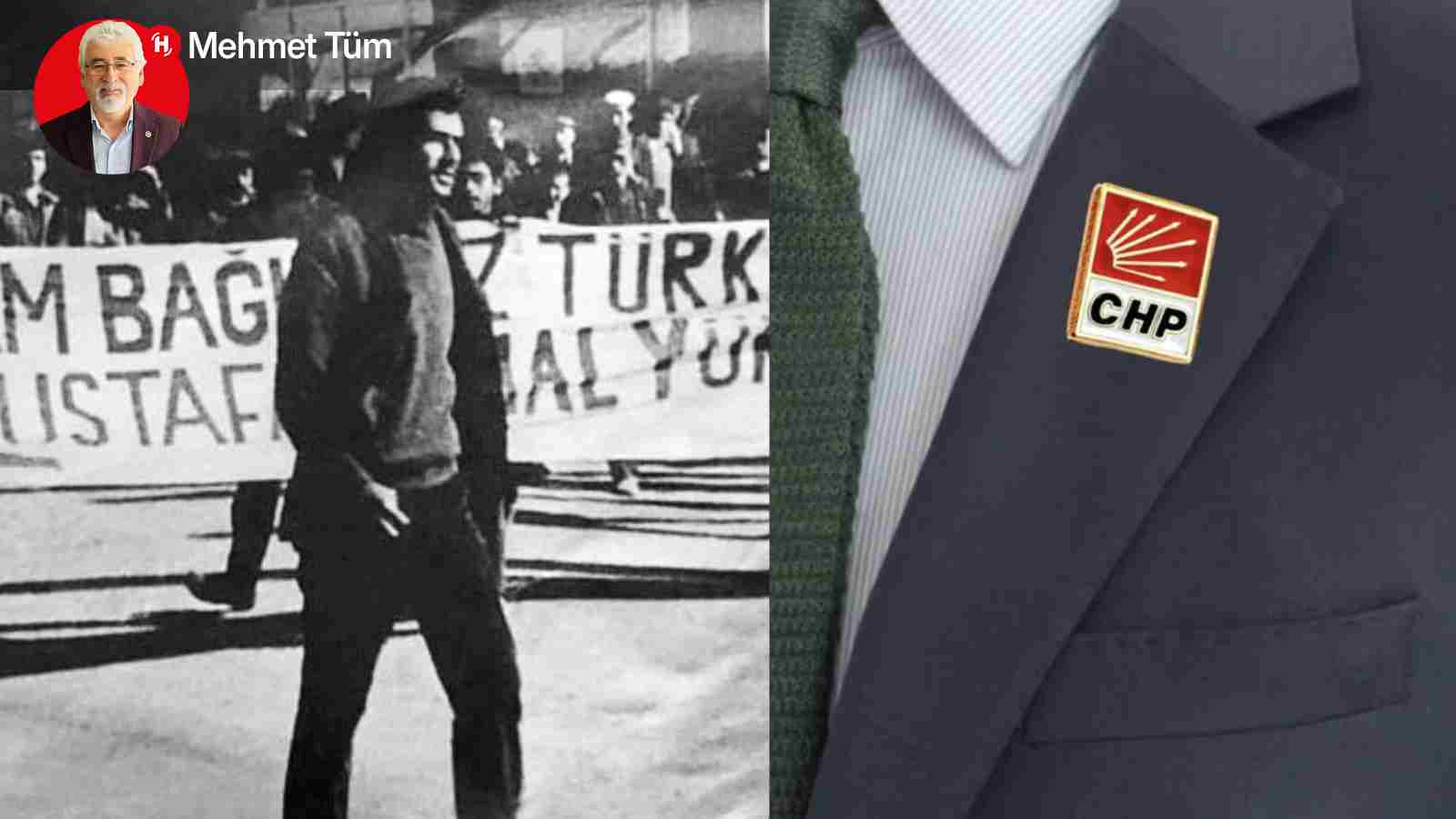
 Politics in Turkey has long eroded one concept in particular: Comradeship. Today this word is easily circulated, but its meaning has been almost completely emptied. Comradeship is now thought of as sitting at the same table, being in the same photo, carrying the same badge. However, comradeship is not about winning together; it is about risking to pay the price together.
When we look at the history of leftist politics, comradeship is not a form of address, but an ethic of life and struggle. Deniz Gezmiş, Hüseyin İnan and Yusuf Aslan did not go to the gallows alone. What took them there was not just an objection to the state, but the unshakable bond of comradeship they felt for each other. Even in Deniz's last words, there was no search for individual salvation; there was the people, the country, his comrades.
For Mahir Çayan and those besieged in Kızıldere, comradeship is not to retreat; it is to risk not returning. “We came here to die, not to return” is not a romantic call for death; it is the harshest definition of political comradeship. Because comradeship requires not putting one's own life at the center.
When Ibrahim Kaypakkaya was not solved under torture, he did not only display an ideological resistance; he chose not to betray his comrades, not to abandon the struggle halfway. Uğur Mumcu did not back down even when he knew he was alone in his struggle with his pen. Vedat Türkali did one thing while trying to keep the memory of the left alive in exile, in prison and under censorship: He remained faithful to the comradeship.
Today, politics, especially left politics, is rapidly moving away from this ethic of comradeship. Politics has turned from a field of struggle into a field of positions. Those in the same structure can easily discredit each other at the slightest difference of opinion. Yesterday “comrade” those who were called, today are punished with silence.
Comradeship is not a relationship indexed to success. It is not a bond that is remembered when the ballot box is won and forgotten when it is lost. Comradeship gains meaning at the very moment it is lost. You understand comradeship by looking at who stands by your side in detention, in the courtroom, at the prison gate, in the midst of campaigns to discredit you.
Comradeship in left politics means putting collective honor before individual ascendancy. “Me.” instead of “we” to be able to say. “Let me get rid of it” instead of “I won't quit” it means. The Denizens did this. Mahirs did this. Kaypakkaya did this. What they had in common was not that they won; it was that they did not let them down.
Today, the real crisis in the CHP and the left opposition in general is not the lack of ideological texts, but the weakening of comradeship. Everyone has become concerned not with each other's political position but with each other's personal calculations. Who is more visible, who is closer to the center, who is more “manageable” as the left is a field of struggle to be transformed. However, the left is not a politics to be managed; it is a field of struggle to be transformed.
Comradeship is not just heroism on the gallows or behind barricades; it is a test of dignity in today's shallow political climate. Comradeship today means not remaining silent while a friend is being lynched, not stepping on the toes of the microphones and protecting each other's law against negotiations behind closed doors. Defending a revolutionary legacy is not just commemorating the dead; it is entrusting the honor of the living to each other.
Without comradeship there is no organization. Without organization there is no politics. And without politics there is no connection with the people. The history of the left has proven this time and again. The generation of 68 is still talked about today not only for their slogans but also for the unshakable bond of comradeship between them.
Today, if a member of parliament can easily change parties, if a mayor can leave the party he or she was elected for behind, what is missing here is not legal loopholes but the consciousness of comradeship. Because comradeship is the inner voice that stops you. “I can't do this” is a moral wife.
Comradeship means not shooting the person you walk with in the back. It is not to keep silent in difficult times. It is to lighten the burden of those who pay the price. It means correcting mistakes together and opposing wrongdoings together. Comradeship is not comfortable; it is troublesome.
The left has fallen into this “politics of position” from the quagmire, but we can only rebuild comradeship “law of association” by turning it into a community. We have to take on each other's problems, mistakes and hopes, not just votes or delegate signatures. Because comradeship is not the coming together of perfect people; it is the will to strengthen together by shouldering each other despite their flaws.
And what left politics needs most today is not new slogans, but to remember an old value: comradeship. Because without comradeship, politics becomes a technical activity. Technical politics can win, but it cannot make history. History is written with comradeship.
Instead of an epilogue, a small note on the legacy of comradeship in these lands is in order:
Comradeship is not hanging the same banner It is coming out of the same fear hand in hand
Comradeship is when your name is erased from the headlines and your name is still on a shoulder
And know that if the road is long, if the night is dark, if you have a comrade, this country will rise again
The left grows through comradeship. A politics that has lost its comradeship has lost its way, no matter which badge it walks with.