




 “You shot me because I believed in you...”
Gülten Akın
Betrayal is not a romantic issue. Betrayal is a matter of character.
Let no one misunderstand me when I say this: “You shot me because I believed in you...” Although the line sounds like a poem, it is actually a diagnosis. There is no love in this sentence. In this sentence there is a system that attacks a person's goodness, not his weakness. Because believing is not weakness. To believe is to open oneself. It is trust in oneself. It is trust in life. And the thing that people exploit the most in this world is the goodness of others.
Betrayal often does not happen all at once. It starts with small things: someone appropriates what belongs to you, describes your labor as their own, ignores your rights. Today with a sentence, tomorrow with an act... and so on. In the end, what we call “betrayal” seems to happen in one day, but in reality, it is the product of steps taken long before.
It is the same in marriage, it is the same in business, it is the same in friendship. Because the scene of betrayal changes, but the logic remains the same: the abuse of trust. Using your trust as a capital. Consuming your labor like a resource. Turning your good intentions to your own benefit.
The one who betrays is often “an emotional mistake” that you did it. This is the easy way out. Because in this way betrayal is not a character problem, it's a character problem. “momentary weakness” as a moment of weakness. But betrayal is not a moment of weakness. Betrayal is a habit. And a habit is conscious. The betrayer deceives himself; then he deceives others; then he normalizes it. Because the greatest weapon of a person with a weak character is this: he does what he does. “normal” to make it look like.
On the betrayed side, there is another devastation. That destruction is not just suffering. It is the destruction of the measure in man. It is the contamination of the way one perceives the world. Because a betrayed person does not only lose one person. It is the loss of the “the idea of humanity” he gets hit. After a while he thinks: “So good intentions are foolishness.” At that moment, betrayal goes from one person to a culture. It goes from one person to a society.
This is why the cost of betrayal does not only belong to one person; its impact is wider, because it kills trust. Gülten Akın's “You shot me because I believed in you...” This is exactly what the saying says: A person is wounded not by someone, but by the sense of trust within himself. Then the rest of life changes; sentences become shorter, doors close earlier, laughter becomes more cautious. Because once one is hit in that place, one starts to question not only the other person but also one's own intuition.
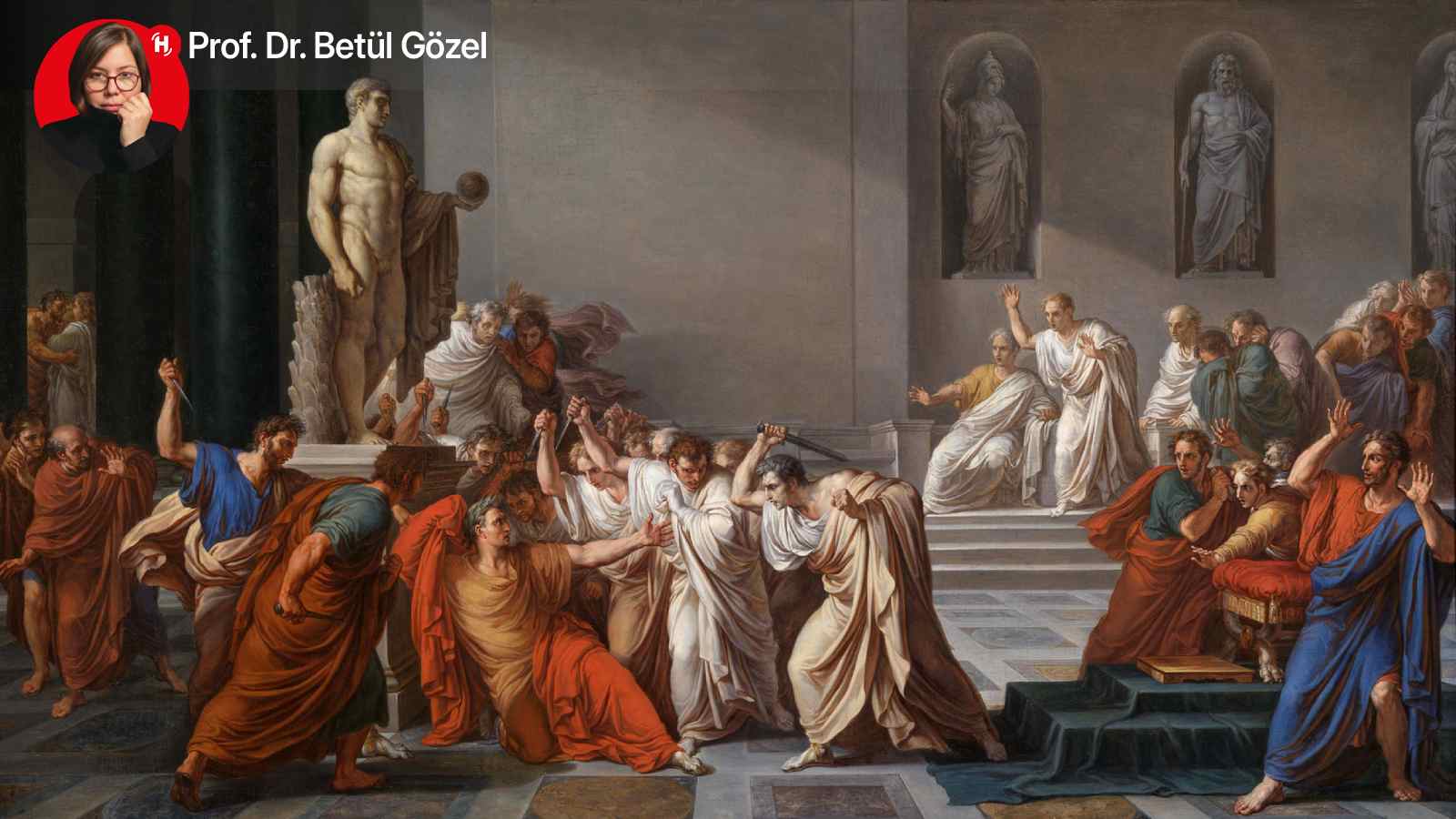
Sometimes this sentence rings in one's ears after one betrayal after another: “Et tu, Brute?” (You too, Brutus?)