




 Once upon a time, when one thought of a dictatorship, a single scene came to mind: a man in a military uniform, tanks behind him, a silenced people in front of him.
Posters hanging in the squares, doors knocked on in the middle of the night, people disappearing... The 20th century experienced this crude and bloody face of dictatorship in all its clarity.
Today, the world has changed. The global economy, digital media, communication networks and electoral politics have transformed dictatorship.
Nowadays, dictatorship does not always come with a gun. Sometimes it comes from the ballot box, sometimes it speaks from the rostrum of parliament, sometimes it legitimizes itself with the rhetoric of “freedom” and “democracy”.
The story of Bokassa, the self-proclaimed emperor in the middle of Africa, is still remembered.
Bokassa, who held coronation ceremonies in his palace while his people struggled with hunger, continued his rule with brutality and eventually went down in history as a figure that even his own country did not embrace.
In Uganda, Idi Amin turned the state into an instrument of his personal rage; thousands of people were killed simply because of their identity.
Today his name is a symbol of a country ruled by fear.
In Asia, Pol Pot's Cambodia shows how dictatorship combined with ideology can be a disaster.
Cities have been emptied, people have been forcibly driven into the fields, a country has been turned into a field of experimentation against its own people.
In the Middle East, the regimes of Saddam Hussein and Assad regarded opposition as an existential threat, reduced cities to rubble and turned fear into the main tool of governance.
In Latin America, under Pinochet, fear came in the form of military boots; under Maduro, politics was stifled by pretending there was a ballot box.
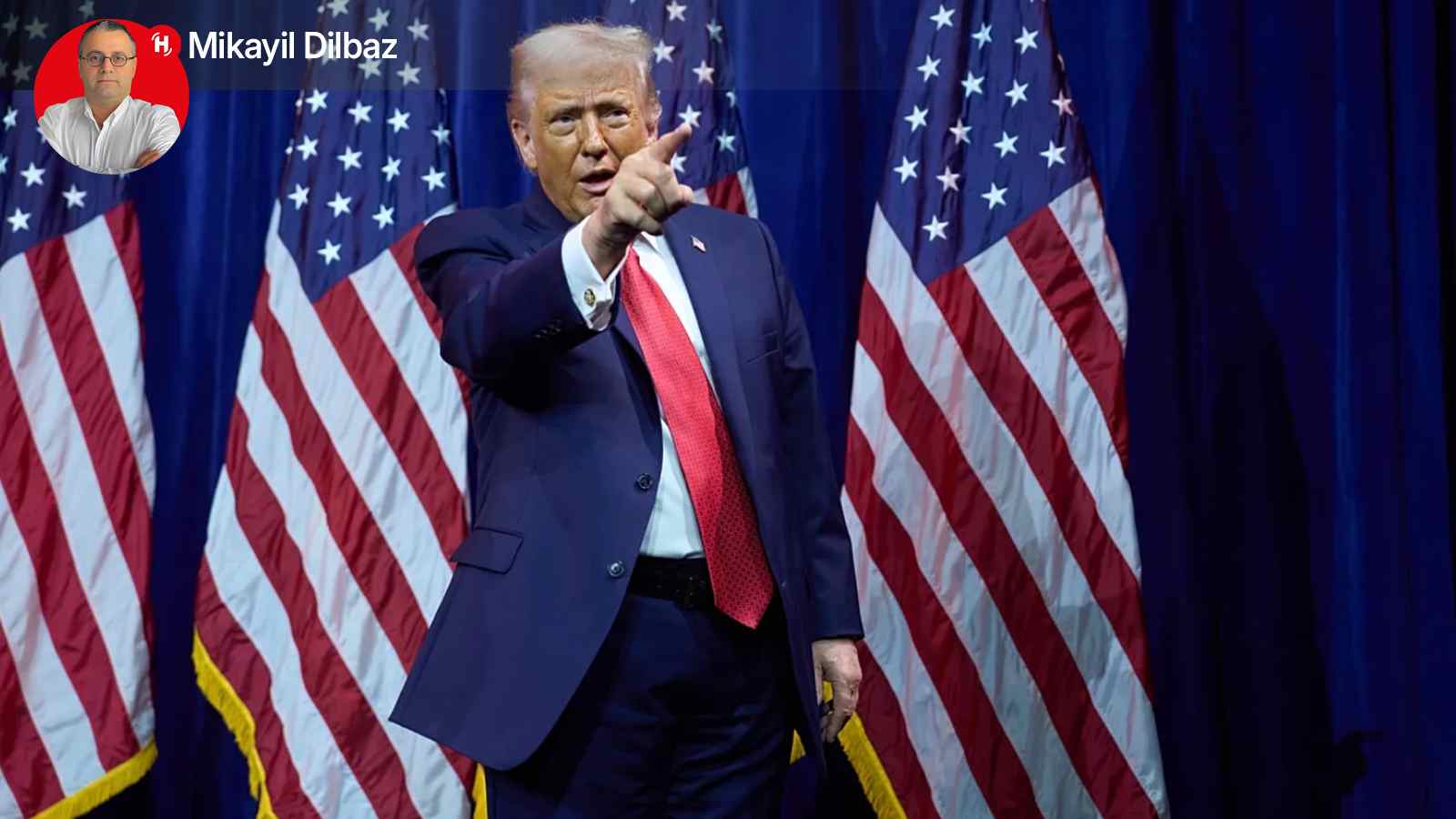
Donald Trump is not a dictator in the classic sense.
But it is one of the most visible figures of authoritarian tendencies within the capitalist system.
His demonization of the media, his discrediting of the judiciary, and his
“The legitimization of the seizure with the rhetoric of ”bringing democracy" reveals the new form of dictatorship of our time.
In the end, dictatorship is not dead; it has only changed form.
Screens have replaced tanks, capital has replaced weapons, manipulation has replaced fear.